
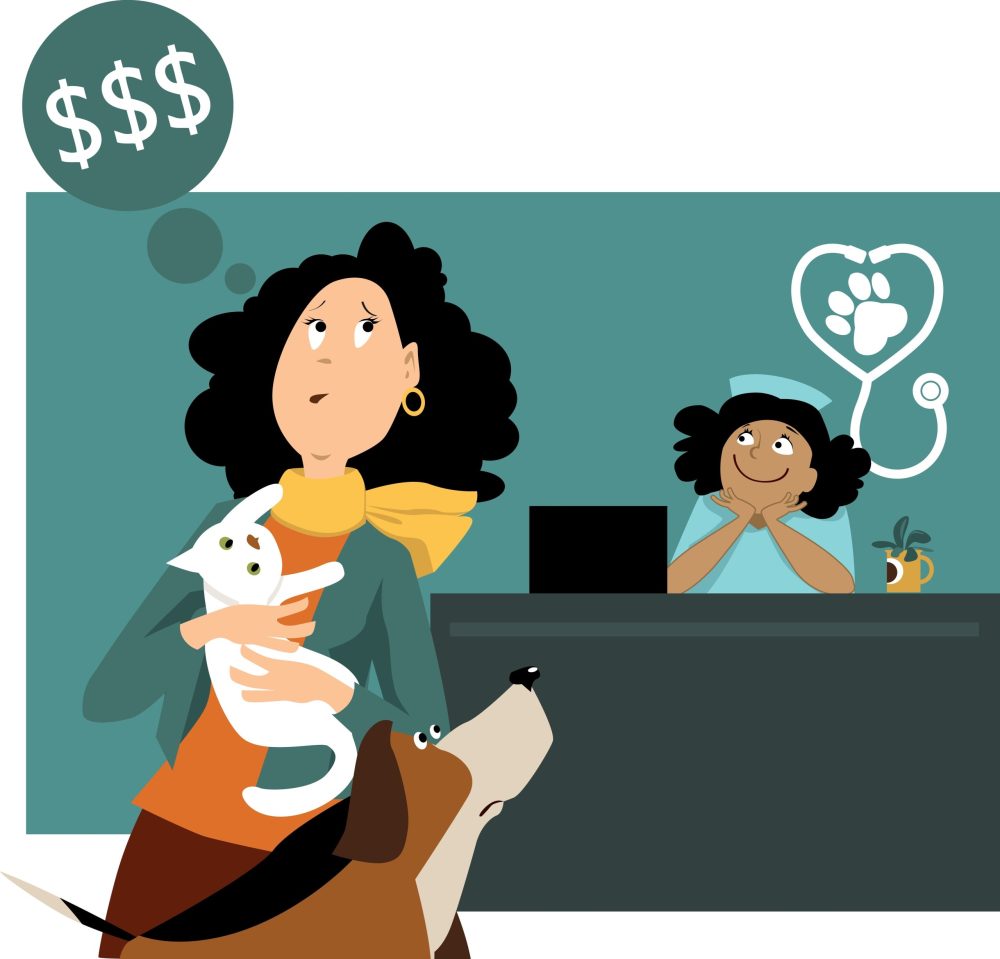
Pets bring grounding, comfort, and connection in a world that often feels unpredictable. Our bonds with our pets deepened during the pandemic and have only strengthened since. But for millions of U.S. families, rising veterinary costs are widening the gap between the care pets need and the care their families can afford.
MetLife Pet Insurance recently surveyed 1,000 U.S. pet owners to better understand the realities of today’s pet care landscape. The results underscore a troubling trend: Cost is now one of the most influential factors in whether pets receive timely veterinary care, and even whether pet owners choose to adopt a new pet at all.
A Growing Care Gap
Rising veterinary costs are leading to real health implications for pets. According to the survey:
- 70% of pet owners have delayed or skipped a vet visit because of cost, even for routine checkups and preventive care.
- 76% have declined vet-recommended treatments, including dental cleanings, diagnostic tests, and other important procedures, due to expense.
- 35% say postponing care ultimately made their pet’s condition worse or more expensive to treat.
The financial strain isn’t just affecting pet health; it’s affecting pet owners’ emotional well-being:
- 85% report that rising vet costs affect their peace of mind, and 75% worry at least occasionally about being able to afford future visits or emergencies.
- 63% say concerns about cost have made them reconsider adopting another pet, suggesting affordability fears are reshaping what pet families look like.
Pet insurance is emerging as an increasingly essential tool to help bridge these gaps. Nearly half (48%) of pet owners say they’ve received a vet bill they couldn’t afford — times when they believe insurance would have made a meaningful difference. And despite 77% reporting premium increases over the past year, an overwhelming 84% still believe coverage is worth it for the peace of mind and protection it provides.
In a landscape where sudden emergencies can cost thousands — and even routine visits are harder to budget for — pet insurance offers a critical financial safety net. It helps prevent delayed treatment, reduces financial stress, and protects families from having to make impossible decisions about their pets’ well-being.
Still, many pet owners are turning to alternatives when cost becomes a barrier:
- 73% choose to “wait and see” rather than visit the vet.
- 67% turn to online advice, and 53% attempt home remedies.
- 17% simply hope the issue resolves on its own.
Among those continuing to seek veterinary care, 71% say they would switch providers for more transparent pricing or flexible payment options, and 39% already have. And while premiums have risen for most insured pet owners, 84% reaffirm that having coverage offers critical peace of mind.
This is no longer just an affordability issue — it’s an access-to-care issue. And it’s increasingly influencing how families make decisions about their pets, from choosing a clinic to deciding whether to welcome a new animal into their home.
Why Costs Are Rising, and What We Can Do About It
Veterinary medicine is more advanced, more specialized, and more capable than ever before. New diagnostics, technologies, and treatment pathways are improving outcomes and extending lifespans. But those innovations come with higher overhead.
In addition, inflation has squeezed many expenses such as wages, pharmaceuticals, and supplies. Clinics that need to remain financially viable have few choices and may decide to pass those costs on. As a result, the Bureau of Labor Statistics found that veterinary service inflation has outpaced general inflation by more than 60% over the past two decades.
Balancing high-quality care with affordability is difficult for many clinics. Without margin, clinics can’t keep equipment up, remain staffed, or offer advanced treatments. Clients who can’t afford full care are reducing demand, making it harder for clinics to spread fixed costs across volume.
In response, some clinics may choose to reduce overhead by trimming hours, cutting back on preventive services, limiting new equipment purchases, or simply closing. These responses, in turn, threaten access, especially in rural or underserved areas.
Clinics could respond by:
- Providing clear, upfront estimates for procedures and follow-up costs so owners can make informed decisions
- Offering payment plans or installment options to ease the burden in the short term without compromising the quality of care
- Advising pet owners to explore pet insurance as a long‑term tool to help manage unexpected or high‑cost veterinary expenses and reduce the likelihood of delayed treatment
- Designing wellness or maintenance plans that spread out routine care costs over time to help to stabilize revenue while keeping care manageable for pet owners
As veterinary costs continue to rise, pet owners without financial support systems may find themselves facing difficult trade‑offs. That’s why planning ahead is more important than ever. Veterinarians should encourage pet owners to explore pet insurance and prioritize preventive care to catch issues early and save money over time.
What the Veterinary Industry Needs to Do
Beyond individual clinics and owners, a few broader shifts could help address the early care crisis before it escalates:
- Expand nonprofit, low‑cost, or community‑based veterinary clinics: Just as community health centers play a critical role in human wellness, community‑oriented veterinary clinics can provide more affordable alternatives for families facing financial or geographic barriers to care. Animal welfare organizations see these challenges firsthand and are essential partners in helping families access timely, appropriate treatment.
- Promote transparency and standardization across the profession: Clearer pricing, shared best practices, and greater consistency would help reduce confusion and unpredictability for pet owners.
- Encourage research and adoption of lower‑cost preventive and chronic‑care strategies: Early detection, nutrition, telemedicine, and preventive visits all help avoid high‑cost interventions later.
- Support education initiatives for pet owners, especially first‑time adopters: Many new pet owners underestimate the lifetime cost of care or aren’t sure which services are essential and when. By offering educational tools and resources featuring practical guidance, veterinary clinics, insurers, and others in the animal welfare space can better equip families with the information they need from day one, building confidence and reducing preventable care gaps.
Of course, none of these ideas is a silver bullet. Collectively, however, they could create a more resilient pet‑care infrastructure, one that supports providers, empowers pet owners, and strengthens the animal welfare sector’s ability to respond to rising financial pressures without sacrificing access or quality.
Rising veterinary costs shouldn’t become a barrier to care, yet the data shows that without better education and support, more pets may face delayed or skipped treatment simply because their families don’t know what resources or strategies are available to them.
By equipping pet owners with the knowledge they need to navigate rising costs, we can help preserve a future where veterinary care remains accessible, compassionate, and sustainable. For millions of pets — and the people who love them — that’s a future worth protecting.