
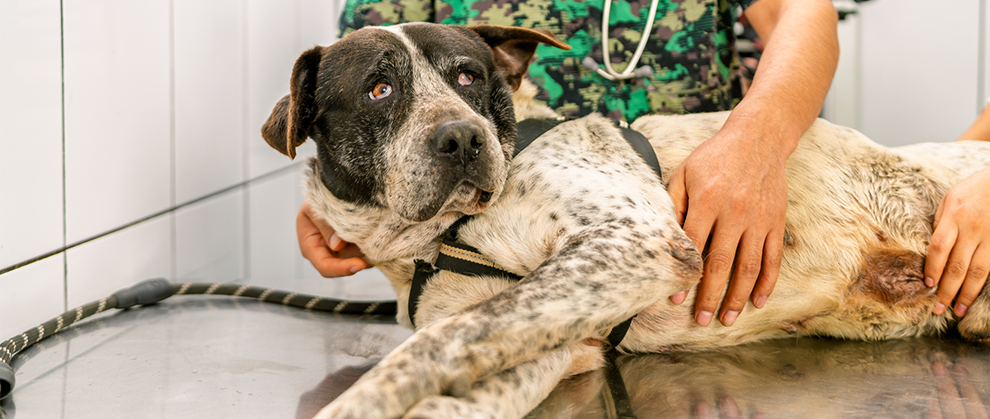
Look around your waiting room. The gray muzzles outnumber the puppies. Quietly, veterinary medicine has entered a longevity revolution. Pets are living 15% to 18% longer than they were just 15 years ago. According to the American Animal Hospital Association (AAHA), 44% of pets are now classified as seniors. This isn’t a random data point; this is a structural shift in our profession. It’s the result of a longevity flywheel.
The Flywheel in Motion
A flywheel builds momentum with each rotation. The longevity flywheel looks like this: Medical innovation extends life-spans, creating a growing senior population. Seniors develop manageable chronic diseases. Chronic care drives revenue and reinvestment. Reinvestment fuels more innovation. Innovation extends lifespans even further. Each turn reinforces the next. This is happening in your hospital.
The Heart of the Flywheel
Pets are family members. Our time with them is short. Most of us will outlive our pets. Pet owners want more time. Every additional healthy year is precious. The longer the pet lives, the deeper the relationship grows. As that bond grows, the willingness to pursue advanced diagnostics, referrals, mobility treatments, and cancer therapies increases. We are not just treating disease — we’re extending companionship. And revenue follows love.
The Head of the Flywheel
The economic reality? The majority of a pet owner’s veterinary spending occurs in the final third of the pet’s life. Senior pets generate three to five times more annual revenue than young, healthy pets. As longevity increases, the revenue mix shifts. Lower-margin preventive care gives way to more diagnostics and imaging, long-term pharmaceuticals, therapeutic monitoring, chronic disease management, and advanced procedures. Veterinarians have evolved from pediatricians to geriatricians. That evolution changes staffing models, facility design, capital allocation, and margin structure. Longevity is becoming our economic core.
The Geriatric Stack
Take the case of Goldie, a 12-year-old golden retriever who presented with severe osteoarthritis. A decade ago, her decline in mobility was the trigger event. Goldie slows down. Rising becomes difficult. Stairs are avoided. Engagement fades. Appetite diminishes. Eventually, the agonizing decision to euthanize her results when she can no longer get up comfortably. Most pets don’t die peacefully at home in their sleep. They are euthanized when their quality of life deteriorates. Today, new osteoarthritis biologics and targeted pain therapies restore mobility and comfort. Pets remain active longer. Appetite and engagement remain. Goldie lives additional happy months or years.
When this happens, something profound occurs: The geriatric stack opens. Conditions that once went unmanaged because the pet didn’t live long enough now become chronic, treatable realities. The stack includes things like kidney disease, cardiac disease, endocrine disorders, cancer, and cognitive dysfunction. We are no longer treating symptoms of aging; we are treating diseases of aging. And each successfully managed condition extends life again. The flywheel spins.
From Reactive to Predictive
The next revolution isn’t just treatment; it’s anticipation. Predictive medicine is emerging through age- and breed-risk modeling, longitudinal analysis of medical records, lab trends, lifestyle inputs, wearables and mobility trackers, computer vision, artificial intelligence-driven risk assessment, and genetic screening.
As these inputs converge, we move from reactive medicine to preventive intervention. Early detection slows progression. Slower progression extends life, leading to more quality of life and more lifetime value. The hospital moves from a place of treatment to a place of long-term risk management.
Business Implications
For practice owners and operators, longevity requires structural alignment. Have you optimized chronic care, multimorbidity management, geriatric counseling, and quality-of-life discussions? Scheduling, staffing, marketing, physical space, and inventory all change when half of your patients are seniors. Longevity reshapes the medical record and the profit-and-loss statement. The practices that recognize this early will thrive.
Ethical Considerations
Having cared for my parents through their end-of-life journey, I was struck by human medicine’s emphasis on quantity of life over quality of life. Our profession was given the gift and burden of euthanasia. As longevity increases, so does the risk of overtreatment, which can blur the distinction between extending life and prolonging suffering.
Quality-of-life assessments, which we do well today, will become even more important as our patient base ages. Open, transparent, and trusting conversations must be had, and they need to acknowledge financial pressures during vulnerable moments. When done well, when mobility is restored, pain is controlled, chronic disease is well managed, and quality of life is extended, the value created to all stakeholders is undeniable. Good medicine results in good business. Again, revenue follows love.
The Flywheel Is Turning
The gray muzzle is not a burden on the system; it becomes the system. Longevity is not a temporary trend but a structural force that will define our profession. The flywheel is turning.
Every additional healthy year we create is a gift and a responsibility. Longevity will bring joy to pet owners and professional satisfaction to veterinary teams, and will drive the engine of veterinary financial success.