
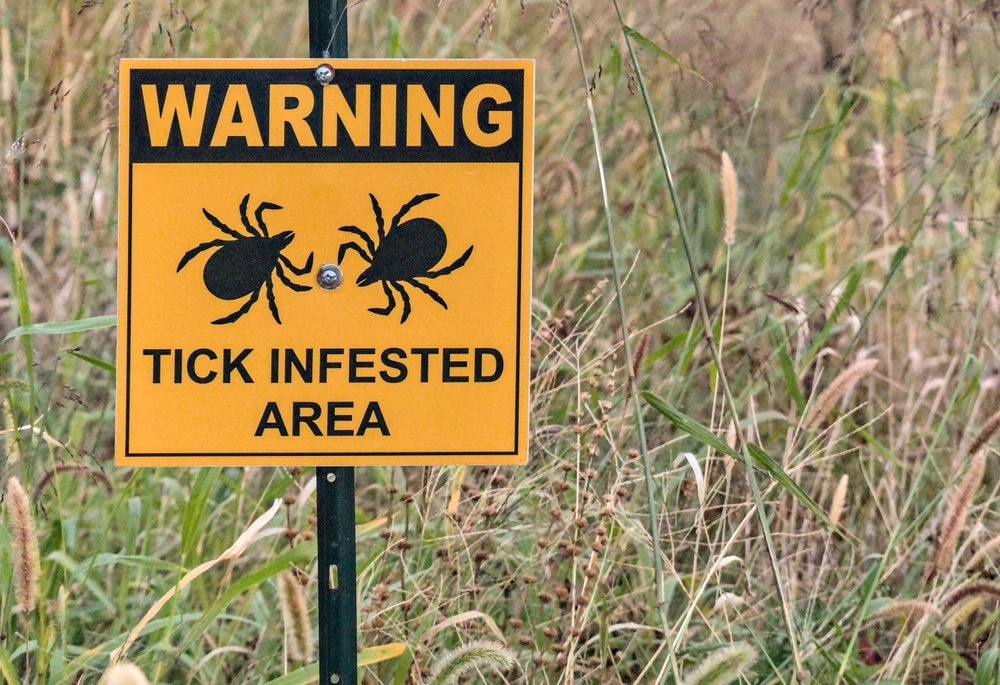
The recently released Companion Animal Parasite Council 2026 Pet Parasite Forecast predicts continued geographic spread of Lyme disease, ehrlichiosis, anaplasmosis, and heartworm disease, along with increased incidence in previously low- and moderate-risk areas.
Based on more than 10 million test results per vector-borne disease submitted to CAPC each year, the forecasts provide a good picture of where dogs are expected to test positive. Historically, the forecasts have demonstrated 94% accuracy in estimating the prevalence of these diseases in the U.S.
“CAPC’s forecasts are uniquely credible because they’re grounded in exceptionally large, real-world diagnostic data,” said Dr. Chris Carpenter, CAPC’s executive director. “By leveraging these forecasts, veterinarians can anticipate risk rather than react to it.”
Specific predictions include:
- Lyme disease: The geographic range of blacklegged ticks, the primary vector of Lyme disease, continues to expand. The Northeast and Upper Midwest remain high-risk areas, with increased risk reaching westward into Ohio, Indiana, Illinois, and Michigan. Increased risk is also forecasted in Eastern Montana, North Dakota, South Dakota, and Iowa as tick populations expand from Wisconsin, Minnesota, and Illinois. Veterinarians are advised to assess each pet’s risk factors and implement control measures, including annual screening for vector-borne pathogens, tick prevention, and Lyme disease vaccination.
- Ehrlichiosis: Since multiple Ehrlichia species are transmitted by different ticks — E. chafeensis and E. ewingii by the lone star tick and E. canis by the brown dog tick — ehrlichiosis is found in several distinct regions. Risk remains high for dogs in Southwestern, South-central, and Southeastern states. An increased risk of E. canis is expected in western states, including Arizona, New Mexico, Colorado, and Wyoming, as the brown dog tick thrives in hot, dry climates. As the lone star tick expands northward, increased incidence of E. chafeensis and E. ewingii is expected in the Upper Midwest and New England. Widespread risk highlights the importance of routine disease screening and year-round tick control.
- Anaplasmosis: Anaplasmosis also shows distinct geographical patterns, owing to transmission of A. phagocytophilum by the blacklegged tick and A. platys by the brown dog tick. Since A. phagocytophilum and Lyme disease share the same vector, incidence and geographical expansion are similar. Expanding populations of western blacklegged ticks are also increasing risk along the West Coast. A. platys infections are expected to expand from endemic areas of Texas, New Mexico, and Arizona northward into Colorado, Utah, and Wyoming. Since they are both spread by the brown dog tick, A. platys and E. canis often coinfect dogs, and the incidence of these diseases can also help predict the risk of Rocky Mountain spotted fever, which is transmitted by the same vector.
- Heartworm disease: The southeastern states will remain the highest-risk areas, with continued expansion northward along the Mississippi River corridor and the East Coast. Areas previously considered low-risk, such as New Mexico, Wyoming, Montana, and North Dakota, will see increased incidence as warmer temperatures, urban water use, and development support the establishment of mosquito populations, and the movement of infected dogs introduces heartworms to new areas. Annual screening and year-round heartworm prevention are essential in preventing infections, and clients should be reminded that risk is present everywhere, including in “low-risk” areas.
“Vector-borne disease risk continues to expand — and not in straight lines,” said Dr. Kathryn E. Reif, associate professor in parasitology at Auburn University, CAPC board member, and lead author of the 2026 forecast. “Land use changes, pet travel, wildlife dynamics, and climate-driven warming and extreme weather are accelerating shifts in where and when these vectors spread.”
Find the complete 2026 forecast here.